
Tag: SEO

september marketing and seo news

We can't believe that it's almost the end of September! To mark the end of another busy month, here are our takes on a few news stories in our wonderful industry. Grab a cuppa and take 5 - who knows, you may learn something new...


1. Approximately 65% of consumers with a disability have abandoned a purchase due to poor accessibility 

According to The Drum, brands and businesses are now so focused on 'designing websites that look beautiful from a brand perspective' to the point where it is impacting accessibility for certain users. Ecommerce is such a successful industry because it removes the barriers of a physical shopping experience. For those who are disabled, this is an extremely useful and integral tool of everyday life. 

But, unfortunately, not all businesses are doing it well. Here's what you can do as an ecommerce business owner to improve the accessibility of your business's customer experience:

  • Implement new options: is there an easier way for your customers to shop with their accessibility in mind?
  • Create an accessibility guide: ecommerce sites can provide an accessibility guide for their users to provide them with information on how they can navigate and purchase from your website


2. How long should a blog post actually be?

According to a 2021 HubSpot study, the ideal blog post length for SEO purposes should be 2,100-2,400 words. Now, this seems like a lot. So, where do these numbers come from?

  • Backlinko analysed 11.8 million Google search results, and the average first page result contains 1,447 words
  • Hubspot found that articles of around 2,250 words had the most organic traffic and attracted the most backlinks 

But, do not fear - Google says something different. Google has often stated that word count is not a ranking factor. You may find yourself asking: what is the right answer? Martin Splitt, a developer advocate at Google, says:

'The focus should be on satisfying the query intention of the user, whether that requires 40 words, or 2000!'

So, don't stress if your article is just shy of 500 words. That may be all you need to get your blog ranking, as long as you're nailing the query intention!


3. Relationship marketing...it's a thing!

It turns out that greater personalisation in your marketing strategy contributes to a huge growth in return-on-investment and sustainable consumer loyalty. 

This comes from the 2022 Cheetah Digital study, looking into consumer attitudes and loyalty. Their VP of Content and Data, Tim Glomb, states that:

'You can have a great marketing team and many smart people in a room, but if you aren't truly listening to the audience and getting their sentiment and attitudes, then you're going to miss the mark.'

Here are some things you can do to personalise your marketing strategy:

  1. Keep your consumer at the heart of everything you do - what do they want? What do they need? How can you give it to them? What sets you apart from competitors?
  2. Build a relationship with your consumers - create a forum and champion your business's community and make your consumers feel individually special
  3. Be honest with yourself - are you building true relationships with your consumers or are you simply meeting your own goals?


Looking ahead...

Thanks for taking a look at our top stories for September. What does the next month have in store for us? Come back next month for October's news - who knows what will have changed by then!
 

copy vs design for website


Which is more important to a website's success: the actual content, or how it looks? Copy vs design is a topic that's sparked much debate among website designers, copywriters and digital marketing professionals. 

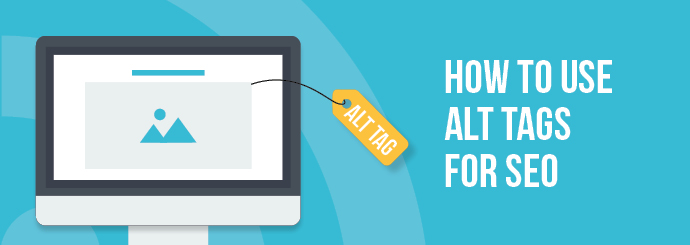
clip art computer monitor displaying image with alt tag with caption how to use alt tags for SEO

An alt tag (alternative tag) is a brief description that’s attributed to an image within a web page’s source code. Alt tags are also known as alt text, alt descriptions and alt attributes.

Alt text serves a number of different purposes, and there are a whole host of different reasons why you should be using alt tags on your images.

SEO ranking factors

Here at Designer Websites, we understand better than anyone the importance of having good SEO on your website!

There are so many factors that come into play when talking about SEO, it can be hard to know where to start. The Google algorithm uses approximately 200 different ranking factors to determine where your website will show up; as much as we’d like to go through every single one, unfortunately we don’t have the time (and probably neither do you!). Instead, we’ve picked out 5 of what we consider to be the most important ranking factors. We’re going to be taking a closer look at what they mean, how you can improve them, and how you can keep your website on page one in 2022.

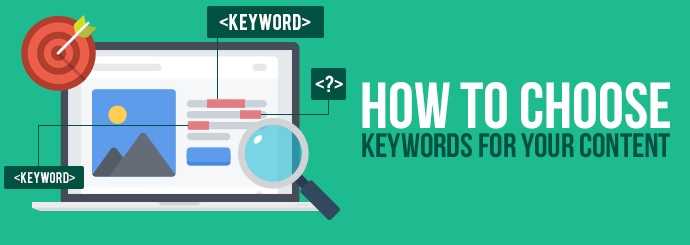
How to choose keywords for your content

If you want to attract lots of high-quality organic traffic to your website, there are two things you'll need to do:

  1. Choose the right keywords.
  2. Create great content to fit those keywords.

Both steps require careful consideration and a bit of hard work, but there are certain things you can do to make this process less stressful.

Today, we're going to focus on step one: finding the best keywords to target.

What are keywords?

Keywords - also called 'queries' or 'search terms' - are what people type in when using a search engine like Google or Bing.

(To be honest, 'keyword' is a slightly misleading name; most search terms consist of more than one word, so perhaps 'keyphrase' would be more accurate.)

Some keywords are extremely popular. Phrases like online food shopping and clothes for kids consistently clock up tens of thousands of Google searches every month.

But people are constantly searching, and many of them use keywords that nobody else has ever used before. Google themselves have stated that 15% of the queries their search engine processes are brand new.

There are all sorts of different phrases and questions an individual might enter when searching the web for the product or service that you provide. So how can you decide which keywords are worth targeting on your website?

Always begin with keyword research

Before you begin any keyword-driven task, there's one thing you need to do: research, research, research! This is what will lay the foundations for your keyword choices and the quality content that you're going to create - the content that will hopefully rank among the top Google results for those queries.

Companies with a sizeable marketing budget can hire an SEO agency (like us!) to conduct their keyword research for them. Specialist agencies carry out this type of work every day, using an assortment of tools to gain a deep insight into different keywords - how often they're used, how competitive they are, who currently ranks for them and why, etc.

If your business doesn't have the budget to hire an SEO expert, you can do some keyword research on your own - but be warned, this can quickly become a mammoth task!

Search intent: what is the user looking for?

One of the most important things to consider when choosing keywords is the intent behind each query. What question or need is the keyword expressing? What is the user's likely end goal?

As an example, imagine two Google users, Alice and Bob. Alice types in cheap car insurance, while Bob enters the longer query is car insurance cheaper for electric cars. These keyphrases are superficially similar, but they suggest very different end goals: Alice seems like she's ready to take out a new insurance policy, while the longer search string suggests that Bob is simply looking for information right now. Only one of these people has their credit card handy right now.

Learn more about search intent

Broadly speaking, keywords can be divided into three different 'intent' categories:

  • Navigational keywords are looking for a specific web page. They have one particular result in mind, and they're unlikely to click on any others. For example, wikipedia is a navigational keyword; the user is probably trying to reach Wikipedia's homepage.

  • Informational keywords are used to find answers and information. Example: you want to whip up a chocolate cake, but you don't have a recipe handy, so you search for how to bake a chocolate cake.

  • Commercial keywords are those that suggest you're looking to make a purchase. Queries that include the word buy are very strong indicators of commercial intent; for instance, a user who types buy playstation 4 into Google or Bing is pretty clearly looking to purchase a games console (and will almost certainly be shown a whole bunch of shopping results).

If you can match your content to the search intent, you will have a better chance of ranking for your chosen keyword, and a better chance of satisfying the people who visit your website.

Check out the competition

Another important factor to consider when choosing keywords is competition. Before you get your heart set on ranking for a particular search term, type it into Google and take a look at what you're up against.

First, look at the ads that appear (if there are any). For most Google searches, these appear at the top of the results page, and they should be marked as either 'Ad' or 'Sponsored'. The number and quality of ads displayed can give you a rough idea of how competitive a keyword is.

Next, look at the websites that rank organically underneath the ads. If the first page of results is dominated by big brands with enormous marketing budgets, you may find it hard to rank alongside them unless you're willing to spend a similar amount of money.

However, if you feel that you can create a piece of content (e.g. a blog post, infographic or video) that's better than anything that currently ranks for your chosen keyword - and which will do a better job of fulfilling the search intent - then it's worth giving it a try and seeing what results you're able to achieve.

Create the right content

Let's say you've written an excellent piece of content that offers lots of helpful information. It's far better - more relevant, more informative, easier to digest - than anything on the first page of Google results for your chosen keyword. But you're still not ranking. Why?

Ask yourself whether you've chosen the right format. For example, if you're in the landscaping industry and you design gardens for a living, a thousand-word blog post on different design concepts is unlikely to be as useful as a high-quality image (no matter how insightful or how well-written the blog is).

Think about different types of media, and try to determine which would most resonate with the search intent you pinned down earlier. Potential options include:

  • Blog posts
  • Videos
  • Infographics
  • Tables
  • Graphs
  • Charts

You may even be able to come up with something entirely unique that fits the search intent better than anything else currently on offer!

Map keywords to specific pages on your website

It's important to know which specific web page / piece of content you want search engines to rank for a given keyword. Targeting the same keyword on multiple pages can create keyword cannibalisation issues - read more about cannibalisation (and why it's a problem) here.

Remember, websites don't rank on search engines - web pages do. Instead of creating several pages that are all somewhat relevant to your chosen search term, create one outstanding page that ticks all the boxes, and this should have a higher chance of ranking.

Looking for help with keyword research and search engine optimisation? Designer Websites can help - get in touch to discuss your requirements!

Our SEO services